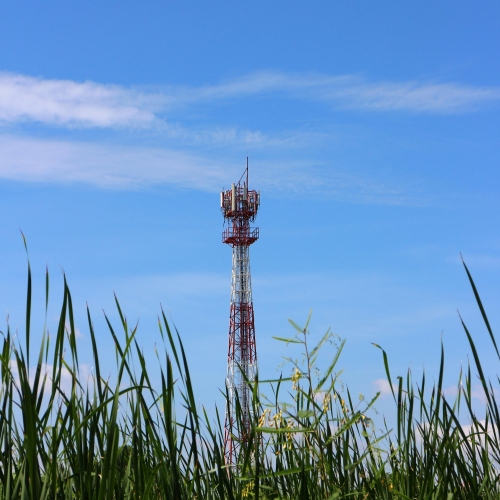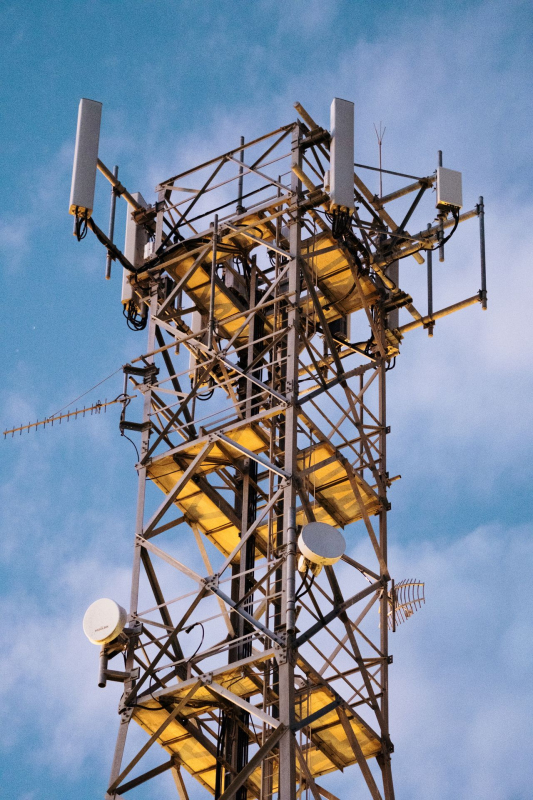
Removing telecommunications (telecoms) equipment from your land, whether the equipment is sat on top of multi-story residential or commercial assets or located in a rural setting, to make way for redevelopment can be a complex and costly procedure.
Below, we set out some of the key issues which need to be identified and progressed to secure possession of development land.
Key takeaways:
• Identify how many, and which, operators are occupying your land• Understand the nature of the operators’ occupation
• Failure to draft and serve the correct notices could mean significant wasted time and costs
• Proceedings are often required to ensure a timetable is set for re-gaining possession of your land
• Proceedings can take up to three years
• Seek specialist legal advice early on, ideally before allowing telecoms operators to install equipment on your land
Which operators are on your land?
Just because you have an agreement which names a particular telecoms operator does not mean they are the only operator occupying your land. It is imperative to understand which other operators may be occupying your land as separate removal action may need to be taken against each operator.How are the operators occupying your land?
Operators could be occupying your land in a variety of ways, for example as licensees, 1954 Act protected tenants, implied periodic tenants, or tenants with Part 5 protection of the New Code.Unless you understand the precise nature of the operators’ occupation you will not be able to determine the correct route to terminate their occupational rights.
What notices need to be served?
A break notice may need to be served in addition to any other notice being served pursuant to the Landlord and Tenant Act 1954 or the New Code.Any notice will need to be carefully drafted and served as they form the springboard to any further termination action.
A failure to draft the notices correctly could mean significant wasted time and costs.
Are legal proceedings required to remove telecoms equipment from your land?
Unlike other commercial property disputes where there is often a deal to be done relating to financial payment, an operator’s objective is usually to maintain coverage in a particular area and they may be unwilling or unable to give up occupation of your land swiftly. Proceedings are therefore often required to ensure a timetable is set for re-gaining possession of your land.It is possible that two sets of proceedings may be required for each operator – one to terminate the occupation right and then separate proceedings to force the removal of the actual equipment from your land.
How long could termination proceedings take?
If you had to initiate proceedings and go all the way to a hearing, the process could take as long as two to three years.There are special circumstances where less (and sometimes much less) time is required but it is best is to anticipate a long period of time will be required to achieve removal of the operators.
What could the costs look like?
This may depend on how much time you can give the operators to move from your land, whether you can provide interim or permanent alternative sites for the operator and whether you must pay the operator certain costs for their removal.If you must litigate, costs will likely be a minimum of tens of thousands of pounds.
Depending on the circumstances you may be able to recover some of your costs, but you would have to forward fund the initial stages.
Is there any way to avoid this process?
In certain situations, agreement can be reached to relocate the operators, but much time and costs can be wasted in negotiations which fail to end in a resolution. Specialist advice should be taken.An alternative, if you do not already have operators on your land, is to resist operators coming on to your land in the first place.
Resisting imposition of telecoms equipment can be difficult to achieve given the operators have significant statutory powers. Again, specialist advice should be taken if you are approached by agents for operators seeking to survey your land for a new mast site.